Igor Gembitsky in front of a glacier lake

Igor Gembitsky

Product leader & builder

I build and scale products in complex, ambiguous environments.

B2B SaaS · Marketplaces · Applied AI · Industrial IoT

See the work ↓
  • Canary
  • Virtual Diamond Boutique
  • Brooklyn Museum
  • Harvard Law School
  • Harvard Business School
  • Institute for Humane Studies
  • Marginal Revolution University

01 · Build & Scale

From B2B marketplace to a multi-tenant SaaS platform and white-label factory

Virtual Diamond Boutique · Director of Product

First product hire

Impact scorecard2017 to 2021
BeforeAfter
Product Freemium marketplace Multi-tenant SaaS platform + white-label factory
Monthly active users ~500 30,000+ 60x
Revenue Pre-revenue Millions in ARR From zero
Product managers 0 5 Team built
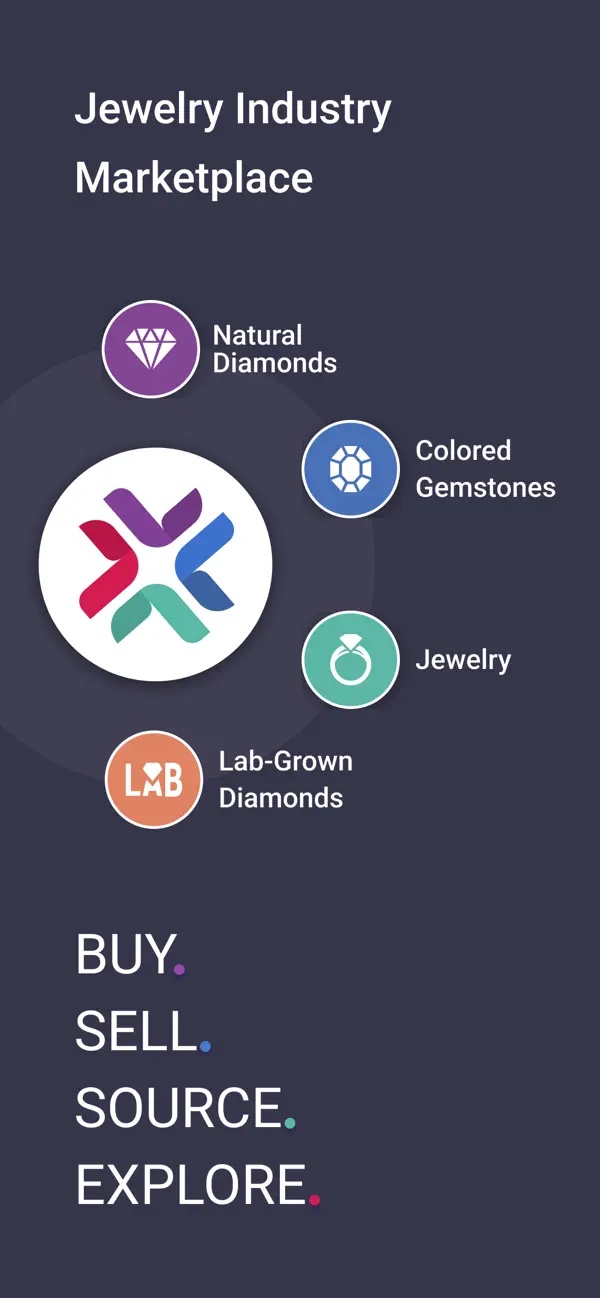
VDB app: the jewelry industry marketplace
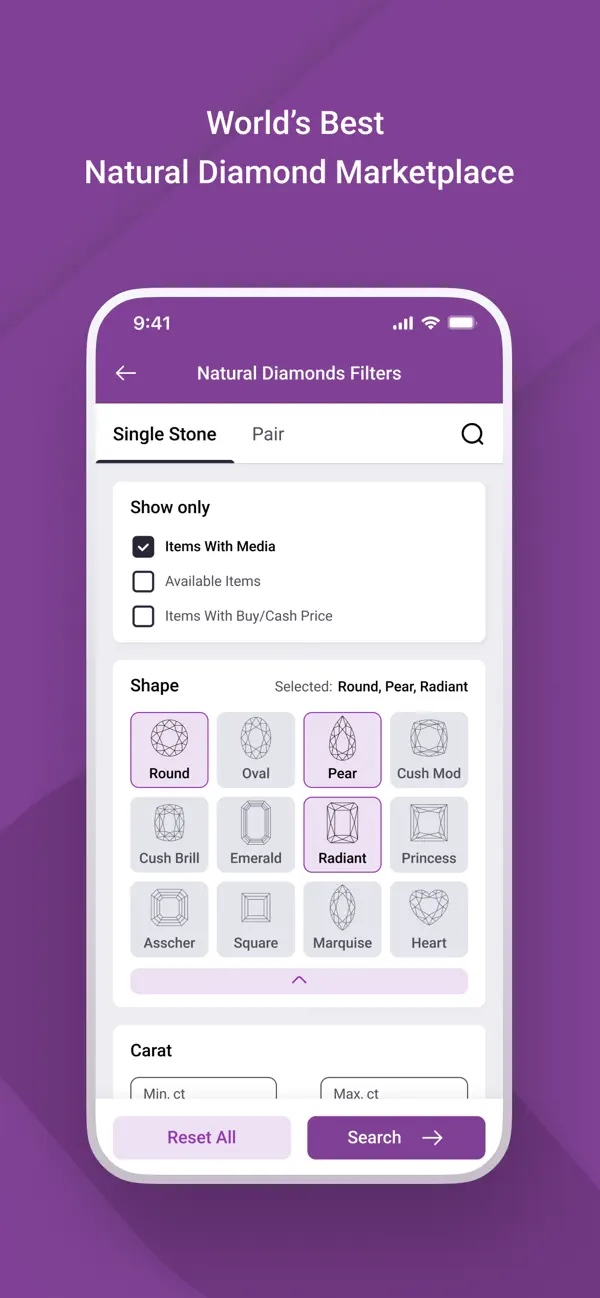
VDB app: natural diamonds marketplace
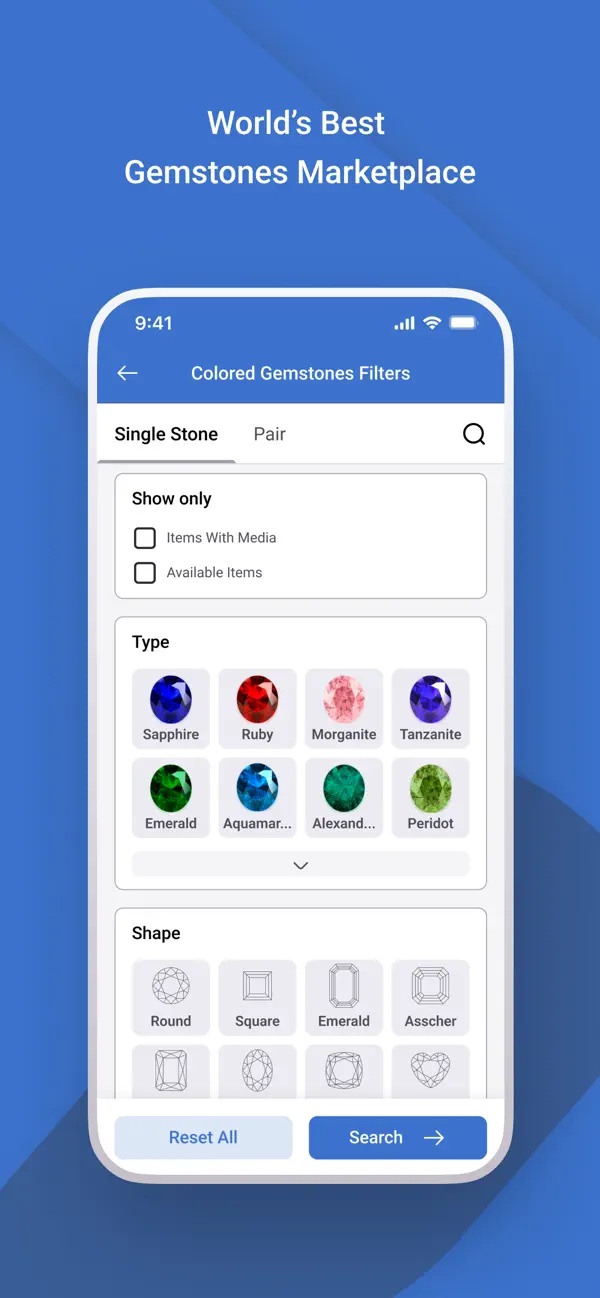
VDB app: gemstones marketplace
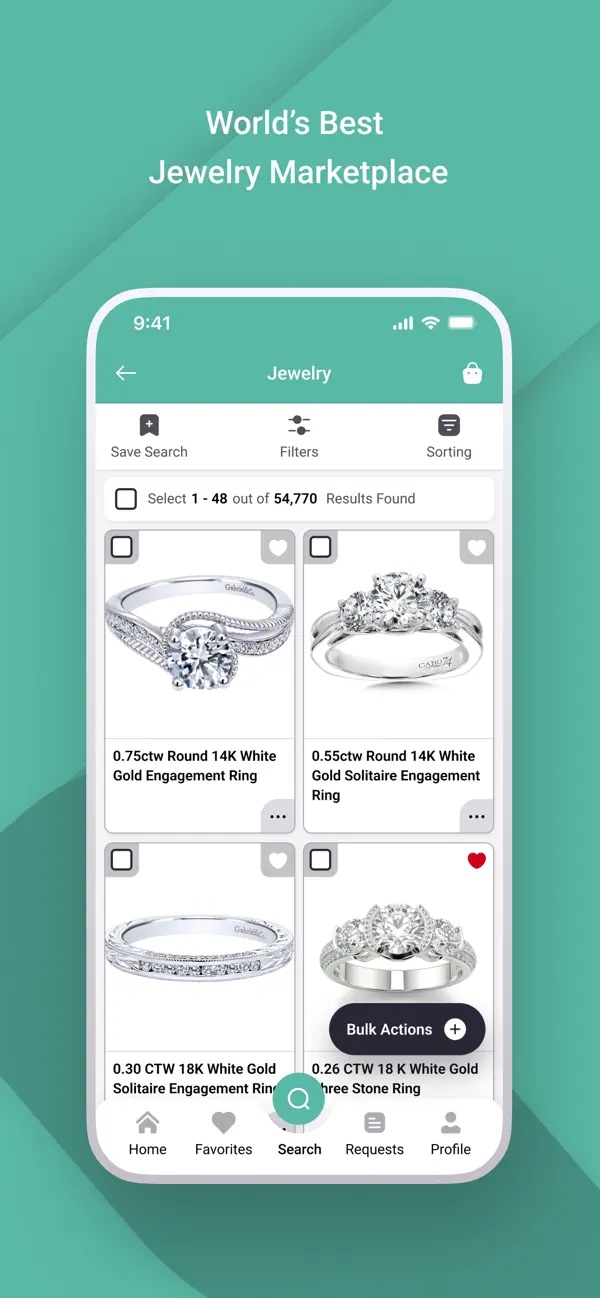
VDB app: jewelry marketplace
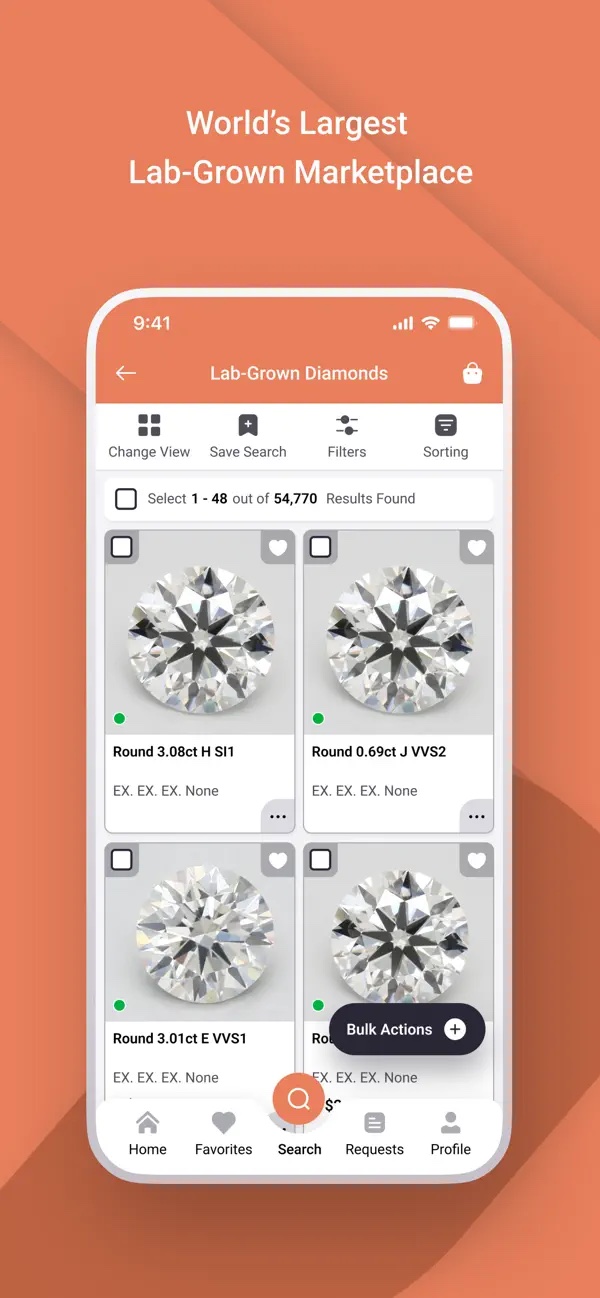
VDB app: lab-grown diamonds marketplace
VDB product search on laptop and screens

Virtual Diamond Boutique · Director of Product · First product hire

A case study in building and scaling

From a pre-revenue B2B marketplace to a multi-tenant SaaS platform generating millions in ARR.

The company

  • A trading platform for the jewelry industry. Wholesalers, manufacturers, and designers list diamonds, gemstones, and finished jewelry.
  • Retailers source from them and show the goods to their own customers, with rich media and multiple ways to view every item.

The problem

  • Retailers want to offer more than they can afford to stock.
  • Wholesalers want a convenient way to sell into their retailer networks.
  • Both want to sell to their networks and customers online, including goods they do not hold.
  • Before VDB this ran on phone calls, spreadsheets, JPG files, and other people's catalogs. Fragmented, slow, impossible to show a customer, awkward to mark up.
  • The platforms that existed were ugly, hard to use, or expensive.

Who it is for

The jewelry industry, in these roles:

  • Wholesalers
  • Retailers
  • Manufacturers
  • Designers
  • Brokers

What I did

  • Built the analytics framework from scratch. Instrumentation, metrics and KPIs, user journeys. Used it to find the power users, interviewed them, and tested monetization ideas through design sprints and prototypes.
  • Shipped the core trading experience. Search, filtering, saving, sharing, comparing, matching, and buyer-to-seller communications.
  • Built the deeper trading workflows. Bidding, multi-currency support, and the full checkout flow.
  • Ran the customer lifecycle features. Onboarding, reminders, and everything an e-commerce app needs to keep people coming back.
  • Designed the white-label platform with feature switches, so one codebase powers 135+ branded apps and storefronts.

Building the team

  • Hired and onboarded a product and design team of seven.
  • Set the prioritization framework and the templates for specs, research, and releases.
  • Ran the agile process. Planning, reviews, and retrospectives.
  • Coached product managers to own their areas end to end.

Impact

30,000+monthly active users, from about 500
60xgrowth in active usage
135+branded apps and storefronts on the platform
Millionsin ARR, from pre-revenue
5product managers hired, from none
7people on the product and design team

Gallery

02 · Find the Product

Turning AI and hardware into a safety product

Canary · Head of Product

Applied AI · Computer vision · Industrial IoT · 0 to 1

  • Started with a hypothesis and a prototype. Computer vision on a forklift can save lives.
  • Found the customer. EHS managers, interviewed one by one, until the real problem was clear.
  • Shaped the product with them. Pilots, analytics reviews, and feedback, iteration after iteration.
  • Shipped the safety analytics dashboard to production with Claude Code. The screens safety managers use every day.
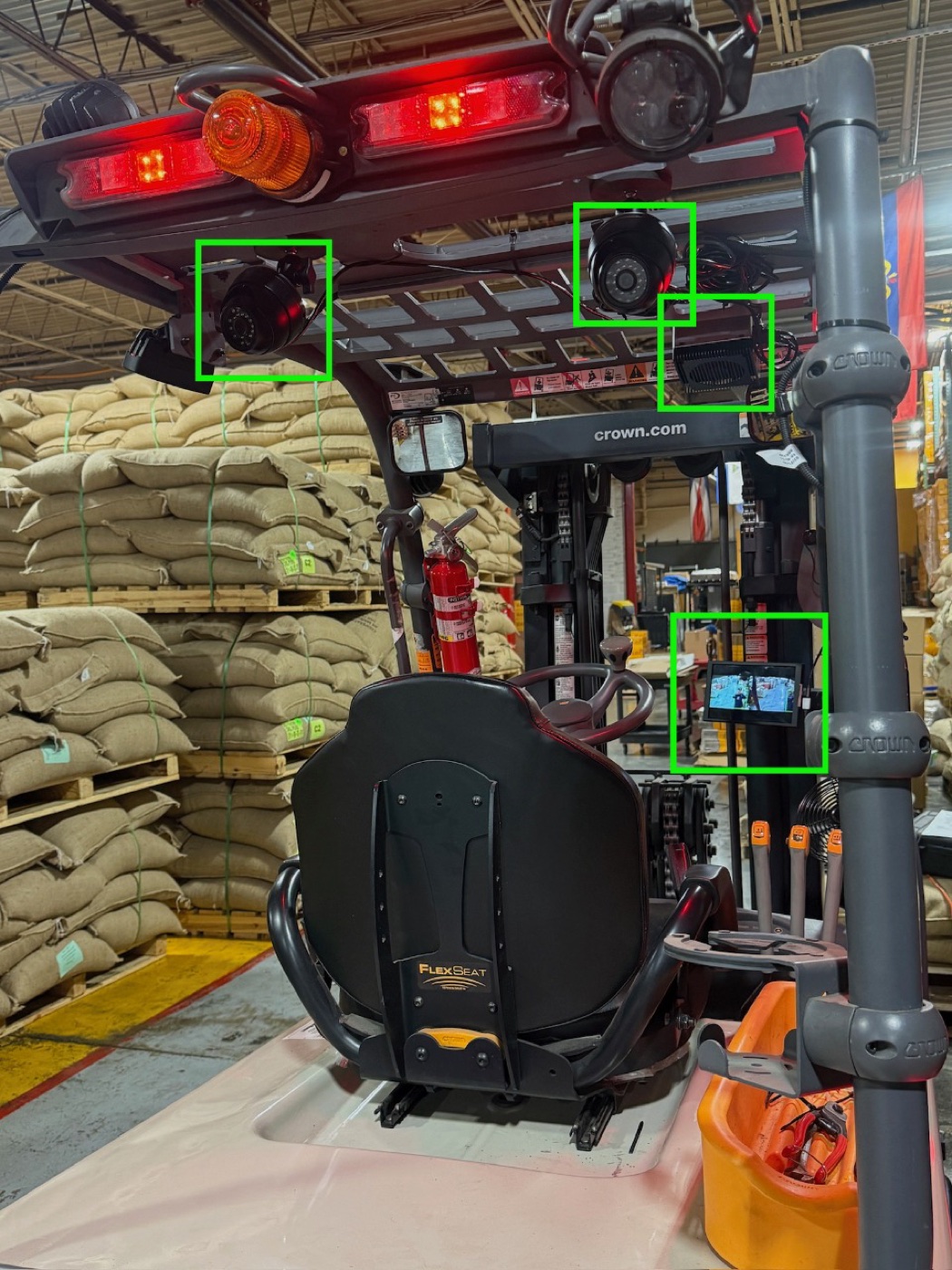
The Canary system mounted on a forklift: two cameras, the nest, and the driver display outlined
The Canary system mounted on a forklift. Cameras, nest, and driver display outlined.
Canary: an AI camera platform that reduces forklift near misses and prevents life-threatening incidents

Canary · Head of Product · Bonsai Technology

A case study in finding the product

The founder had a working prototype and a hypothesis: computer vision on a forklift can save lives. My job was to find out what the market needed, and shape the product until it fit.

The starting point

  • A functional prototype. Two cameras and an edge unit on a forklift, detecting pedestrians and warning the driver.
  • A strong hypothesis, unvalidated. The team knew the technology worked. Nobody yet knew who would buy it, or what they would need it to do.
  • My brief as Head of Product: validate the idea with real customers and turn the prototype into a product.

Who I listened to

The people responsible for preventing accidents on the warehouse floor:

  • EHS managers
  • Safety managers
  • Operations leaders
  • Forklift operators

What they taught me

  • EHS managers are stretched thin. They cannot watch footage. Capturing everything is not enough. The system has to find the dangerous moments, show only those, and recommend what to do.
  • They lack visibility. Most contacts go unreported. Trucks come back with a small ding, and nobody knows where it happened. Managers walk the aisles and find damage on shelves and product.
  • Pedestrians are only part of the risk. Hard braking, hard cornering, collisions with racking, and OSHA violations matter as much as a person in a blind spot.
  • Noise kills trust. A forklift moving forward while people walk away should not trigger an alarm. Every false positive costs attention the manager does not have.
  • It has to fit their systems. Findings must flow into the tools and reports they already use, so they can go up the chain and change behavior.

What I did

  • Ran discovery. Found and interviewed EHS managers, mapped their current process, pain points, and what visibility they lacked.
  • Shaped the detection scope with our industrial engineer. From pedestrians only to unsafe driving, collisions, and violations, using IMU signals and video.
  • Simplified installation. Worked from mounting schematics to a self-install kit with recommended positions, so a customer can go live without us on site.
  • Pitched, converted, and ran pilots. Met customers regularly, walked them through their analytics, and turned their feedback into the next iteration.
  • Tuned signal against noise. Severity ranking and motion awareness, so managers see about one serious event a day instead of a feed of alarms.
  • Shipped the safety analytics dashboard to production with Claude Code. Data visualization, event review, and the workflows managers use to confirm incidents, tag them, and feed the model.

How the product changed

  • Pedestrians in blind spotsDriving behavior, collisions, and violations
  • An alarm on every detectionSeverity-ranked events, about one serious a day
  • Raw footageCurated events with recommendations
  • Installed by us, on siteSelf-install kit, under two hours
  • Real-time alerts for the driver onlyEvery incident logged, so safety managers can review it and find systemic risk

Gallery

03 · Own the Lifecycle

Owning the customer lifecycle end to end

Virtual Diamond Boutique · Director of Product Management

Expanded ownership to customer success and sales operations

Impact scorecard2021 to 2024
BeforeAfter
Time to value ~166 days ~60 days 64% faster
Churn ~25% ~10% 60% less churn
Inventory setup ~3 weeks ~5 days 76% faster
Homepage setup ~1 month ~2 weeks 50% faster
Pipeline growth (QoQ) Flat +20% Every stage up
Customer lifecycle Sales Signed SOW Implementation Live customer Adoption App utilization Use & Success Business value Relationship Renewals andreferrals
  1. SalesSigned SOW
  2. ImplementationLive customer
  3. AdoptionApp utilization
  4. Use & SuccessBusiness value
  5. RelationshipRenewals and referrals
The VDB platform on desktop, laptop, tablet, and phone

Virtual Diamond Boutique · Director of Product Management

A case study in owning the customer lifecycle

Having built the core product and the team to run it, my ownership expanded to the entire customer journey, with new objectives:

  • Faster time to value
  • Higher retention
  • Higher engagement and satisfaction
  • Higher revenue retention and sales velocity

Where the company was

  • The platform had scaled. 30,000+ monthly active users, a white-label factory, and 135+ branded apps on the way.
  • The constraint moved from building to delivering. It took about four months to take a customer live and about three months before they saw a beta.
  • Requirements collection cost customers 6 to 12 hours of their own time, and churn sat around 25 percent.

The problem

  • Customers waited months for value while implementation, design, and app-store setup ran through engineering.
  • Every implementation was custom. Inventory files, branding, app-store accounts, domains, and design approvals arrived in a different order for every customer.
  • Nobody had one view of the customer. Usage, requests, support tickets, and health lived in different tools.
  • Churn was found late. Risk showed up at renewal, not when it started.

Who it is for

Everyone between a signed contract and a renewed one:

  • Customers implementing their apps
  • Customer success managers
  • Implementation and support
  • Sales
  • Product

What I did

  • Designed the five-phase onboarding pipeline. Sales, Discovery, Implementation, Beta Testing, Launch. Each phase with a defined outcome and standardized requirements collection, so customers knew what to bring and when.
  • Built the internal setup and admin tools so customer success could configure organizations, inventory, apps, and custom designs without waiting on engineering.
  • Automated the recurring implementation work and moved design approval into comments instead of meetings.
  • Built the customer portal and help bot. Customers submit and track requests, get answers, and configure their own apps.
  • Integrated the support infrastructure into one view of the customer. Rocketlane for delivery, Salesforce Service for omnichannel support and a knowledge base, health scores and early-warning alerts on top.
  • Ran quarterly business reviews and turned onboarding friction and health signals into product priorities.
  • Applied the same system to the pre-sale journey. Rep-by-rep prospecting became a structured Salesforce funnel with a dedicated SDR role and automated outreach. Pipeline that had been flat quarter over quarter grew about 20 percent a quarter, at every stage from cold call to deal.

Impact

166 to 60days from signed contract to value
25% to 10%churn, with risk caught early
21 to 5 daysto set up a customer inventory
4 to 2 weeksto design and approve a homepage
+20% QoQpipeline growth: calls, meetings booked, and deals created all up about a fifth each quarter
50% lesstime in sales meetings

Gallery

Slides from the Customer Success town hall, 2022 Q3, and the analytics I presented to the team. Customer data removed.

04 · Build with AI · Independent work

Products I designed and built with AI.

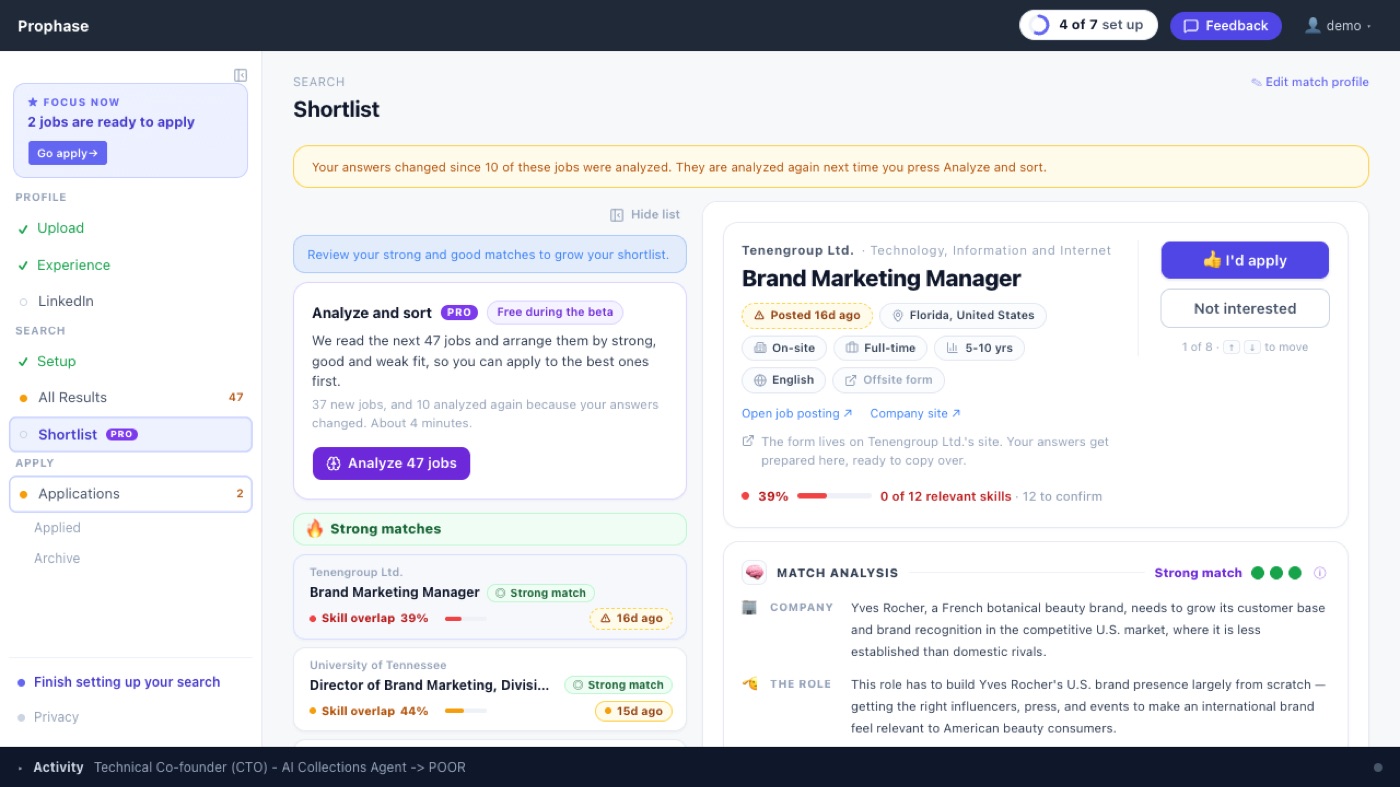
Prophase shortlist with match analysis

ProphaseJob matching and tailored applications.

Built for my own search. Matches roles, checks claims, and prepares applications. Now in private beta as a boutique service.

EngineeringDeterministic matching · LLM evaluation · Claims verification

In production · Private beta

Prophase

Why I built it

  • I wanted to find roles that fit my experience and ambitions, and prepare high-quality applications.

Engineering decisions

  • Deterministic gates and ranking narrow the job pool before LLM evaluation, controlling cost and keeping the matching process inspectable.
  • Claims verification checks the application against the candidate’s experience. Model evaluation and observability help assess consistency and quality.
  • I built and shipped the product with Claude Code, from job discovery through application preparation.

Where it is now

  • I use it for my own search and am piloting a boutique service for others.
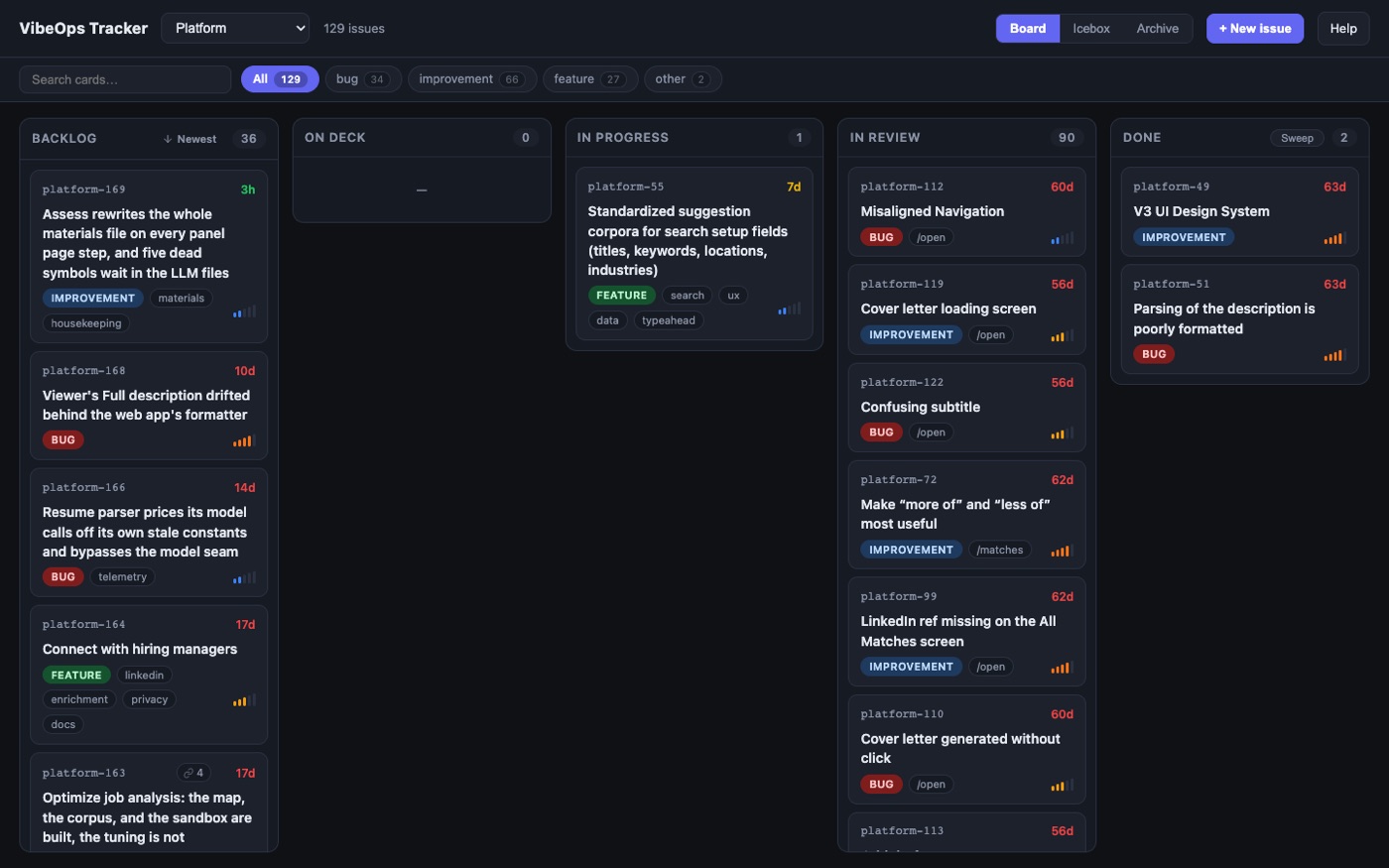
VibeOps board

VibeOpsAn issue tracker for coding agents.

Capture ideas, bugs, and questions. Assign work to agents, review changes, and keep users informed through email and Slack.

EngineeringMCP integration · Agent workflows · Email + Slack
VibeOps

Capture and act

  • Record my own ideas and guidance alongside user bugs and questions.
  • Triage for later or assign work directly to Claude, Codex, and other MCP-connected agents. Review the results in one shared backlog.

Engineering decisions

  • MCP gives Claude, Codex, and other coding agents access to the same backlog and workflow.
  • Local and production projects share the same capture, triage, work, and review process.

Keep people involved

  • Reply to users through email and follow issue updates in Slack.
  • The team and its agents can see production issues and the work underway.

Where I use it

  • Part of my productivity toolkit across local and production projects.
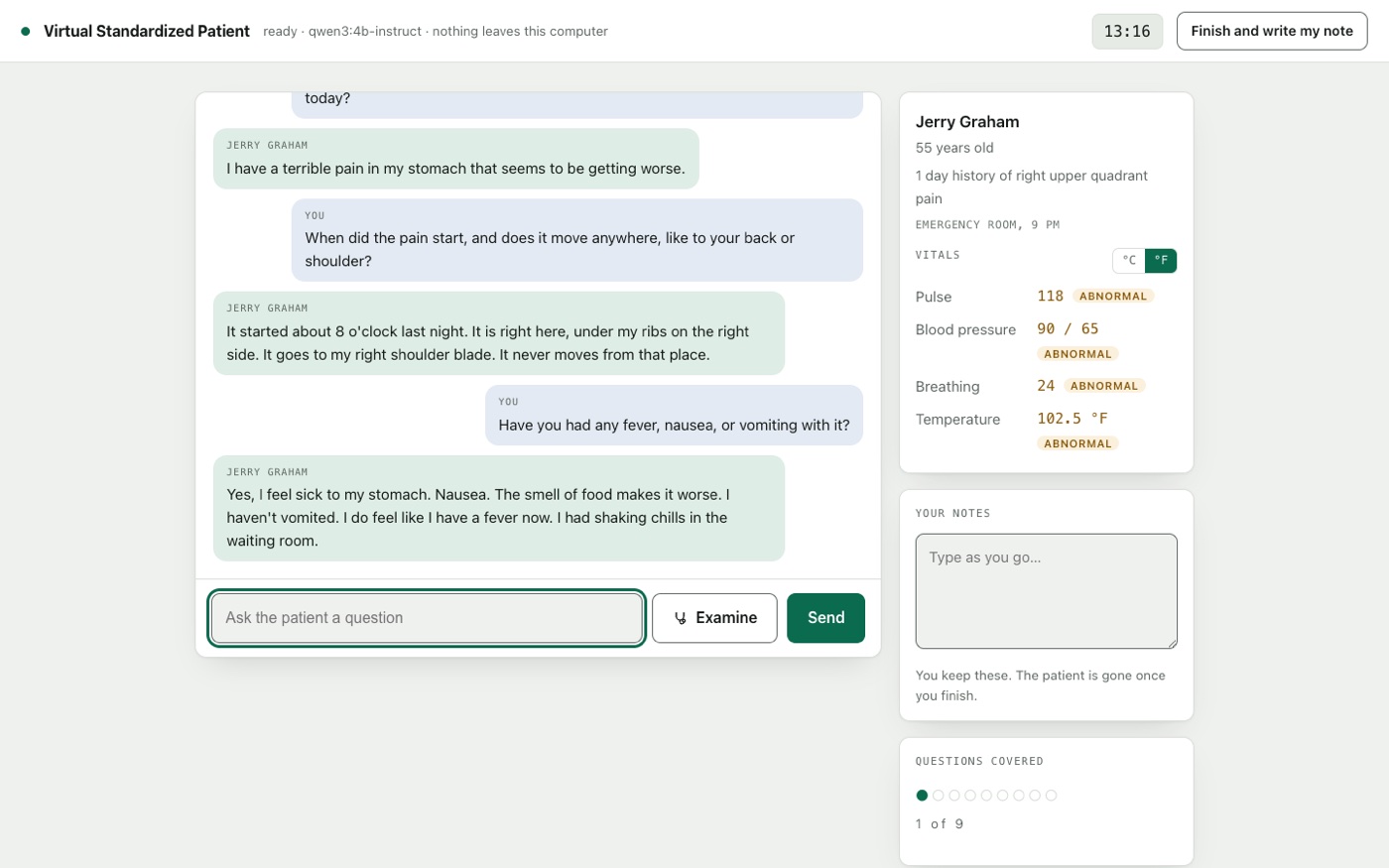
Virtual Patient Simulator consultation with Jerry Graham, 55

Virtual Patient SimulatorAn offline AI patient for medical training.

Practice consultations with local, open-source models. No cloud required. I’m demonstrating it at a Global Health Conference.

EngineeringLocal inference · Open-source models · Offline operation

Virtual Patient Simulator

Engineering decisions

  • I built a clinical simulation around local, open-source models so students can practice consultations offline.
  • Local inference keeps conversations on the device and removes recurring cloud charges. The practical constraint is what delegates can run on their own hardware.

My role at the 2026 conference

  • Invited to speak and coordinate the AI in medicine plenary, introducing speakers and hosting the session.
  • Leading the panel on AI in medical education where resources are limited.

The hands-on workshop

  • I’ll help delegates install the tools on their own systems so they can bring them back to their home countries.

05 · Earlier work

Some other things I've built

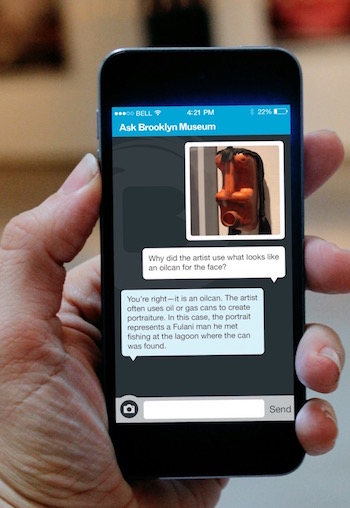
A visitor using ASK Brooklyn Museum in the gallery

Brooklyn Museum ASK

Connecting museum visitors with curators through physical context

A location-aware mobile experience where visitors could photograph artwork and talk with real museum curators while exploring the galleries.

As Product Manager and Solutions Architect at HappyFunCorp, I worked on-site with engineering and QA on Android development, beacon positioning, chat reliability, and diagnostic tooling for testing the experience throughout the museum.
  • Mobile
  • IoT
  • Service Design
  • Real-world Testing
19,409chats in the first three months
2,401objects discussed
13messages per conversation on average
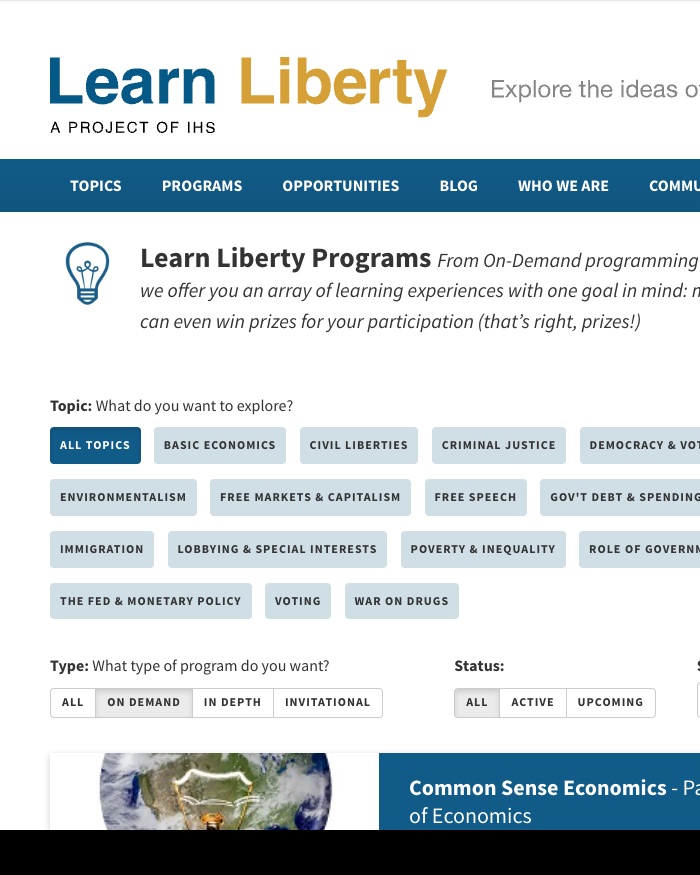
Learn Liberty programs page, 2017

Learn Liberty Academy

Experimenting with how people learn online

An online education platform built from scratch with more than twenty professors. It taught thousands of students and connected them to programs, seminars, and career opportunities.

Led product development and ran experiments with students and educators to improve how people learn online.

  • EdTech
  • Experimentation
  • 0 to 1
1,000+students
20+professors
30+experiments

About

Senior product leader who ships with AI.

Hire me to own a product area end to end, or to build the products, processes, and infrastructure a product team runs on.

  • Take products from idea to production
  • Grow them into platforms and businesses
  • Build the teams and systems around them

Today I lead product at an industrial AI startup and ship production software myself with coding agents.

I started in biochemistry and neuroscience and published three peer-reviewed papers. That training still shapes how I work:

  1. Start with research and understanding
  2. Build experimental frameworks and feedback loops
  3. Collect and analyze the data
  4. Keep improving
More about how I think →

© 2026 Igor Gembitsky